Exploring Value


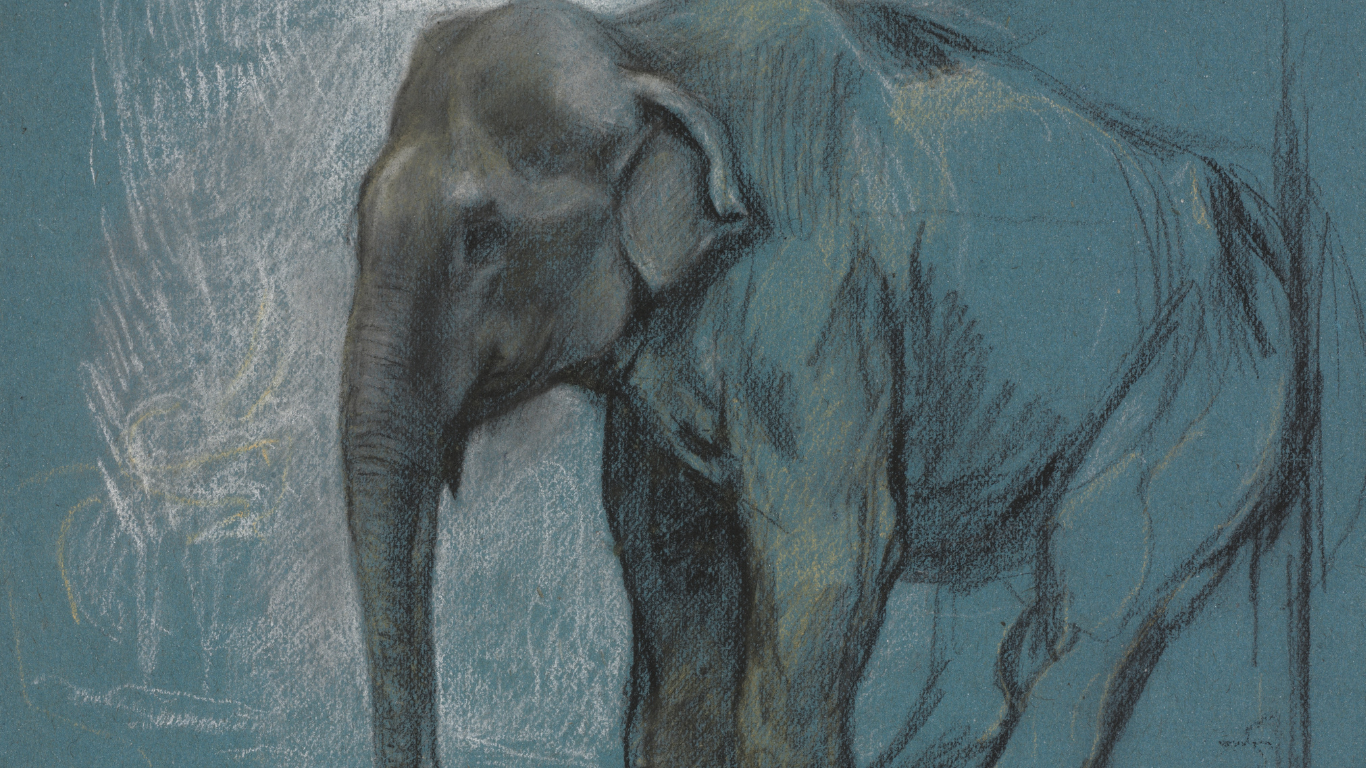
Value, the lightness or darkness of a colour, is a crucial element in visual art. It helps create depth, contrast, and mood in artworks. As students progress through their artistic journey, their understanding and application of value should evolve. This article outlines a progression of value theory across different year levels, providing teachers with a framework for guiding students in their exploration and mastery of this essential element.
Foundation and Year 1
Laying the Groundwork
In the early years, students are introduced to the basic concept of value. They begin to recognize and explore differences between light and dark, setting the stage for more complex understanding in the future.
Foundation
- Light and dark: Recognizes basic differences between light and dark.
- Value changes: Notices how light and dark areas create shapes.
- Shadow play: Explores the concept of shadow as a darker area.
Year 1
- Value scale: Begins to understand the range from light to dark.
- Value patterns: Creates simple patterns using light and dark values.
- Value in objects: Recognizes light and dark areas on objects.

Years 2 and 3
Building on Basics
As students progress, they explore deeper into the role of value in creating contrast, form, and mood. They start to understand how value can influence the perception of depth and atmosphere.
Year 2
- Value contrast: Explores the difference between light and dark values.
- Value and form: Uses value to create a sense of form and volume.
- Value and mood: Recognizes how value can affect the mood of a piece.
Year 3
- Value gradation: Begins to understand gradual changes in value (light to dark).
- Value and space: Uses value to create depth and distance.
- Value and atmosphere: Creates a sense of atmosphere through value.

Intermediate Years (Years 4-6)
Expanding Understanding
In these years, students expand their understanding of value and its applications in various artistic contexts. They learn about the interplay between light and shadow, and how value can enhance composition and texture.
Year 4
- Value and light source: Understands how light affects the distribution of values.
- Value and shadow: Explores the relationship between light and shadow.
- Value and composition: Uses value to create balance and emphasis.
Year 5
- Value and chiaroscuro: Introduces the concept of strong contrasts in light and dark.
- Value and texture: Uses value to create the illusion of texture.
- Value and form: Develops a deeper understanding of how value defines form.
Year 6
- Value and colour: Explores the relationship between value and colour.
- Value and mood: Uses value to create specific emotional responses.
- Value and atmosphere: Creates a sense of atmosphere through subtle value changes.

Senior Years (Levels 7-10)
Mastery and Innovation
In the senior years, students refine their understanding of value and explore its potential in various artistic fields. They apply their knowledge to digital art, abstraction, and complex compositions.
Level 7
- Value scale: Students refine their understanding of the value scale, from white to black, and how to create subtle gradations.
- Value and form: Develops skills in using value to create the illusion of three-dimensional form.
- Value and space: Explores how value contributes to the creation of depth and atmosphere.
Level 8
- Value and light: Understands the impact of different light sources on value patterns.
- Value and contrast: Explores the use of high and low contrast to create visual interest.
- Value and composition: Uses value to create balance, emphasis, and unity in compositions.
Level 9
- Value and atmosphere: Creates a sense of mood and atmosphere through the manipulation of value.
- Value and colour: Explores the relationship between value and colour temperature.
- Value and texture: Uses value to enhance the perception of texture.
Level 10
- Value and chiaroscuro: Develops a deeper understanding of chiaroscuro and its use in creating dramatic effects.
- Value and tenebrism: Explores the use of extreme contrasts in light and dark.
- Value and analysis: Critiques artworks based on their use of value.
By following this progression, students can develop a deep understanding of value and its role in visual art. They can apply these skills to create expressive, meaningful, and visually compelling artworks. From basic light and dark recognition to sophisticated manipulation of tonal relationships, mastering value theory empowers artists and students to express their ideas, evoke emotions, and achieve their creative goals.